
Reptile Shipping Guide
Hold for Pickup
Reptile Shipping:
The Complete Guide
Hold-for-pickup routing sends your live reptile package to a FedEx Ship Center instead of a residential address. Learn why it is safer, how to set it up, and what both shipper and recipient need to do.
Hold for Pickup at a Glance
What Hold-for-Pickup Does
Hold-for-Pickup Routes Your Package to a Staffed Facility Instead of a Delivery Truck
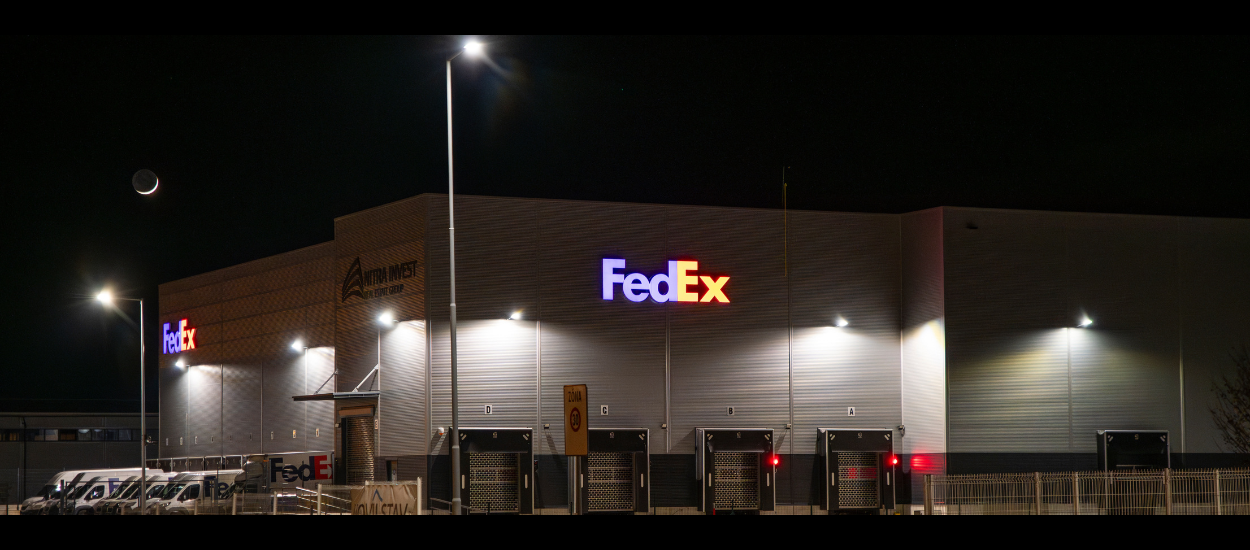
Hold-for-pickup — also called hold-at-location — is a FedEx routing option that sends a package to a staffed FedEx Ship Center near the recipient instead of routing it through residential delivery. The package arrives at the facility in the morning after overnight transit, is held in a climate-controlled environment, and the recipient picks it up with a photo ID at their convenience during facility hours.
For live reptile shipments, hold-for-pickup removes two of the highest-risk variables in residential delivery: the afternoon delivery truck and the residential porch. A package on a FedEx truck in July can be exposed to extreme heat. A package left on a porch in January in the Midwest can drop to dangerous temperatures. Hold-for-pickup eliminates both scenarios.
The setup requires a few additional steps compared to standard residential delivery: finding the right Ship Center near the recipient, confirming their hours, routing the label to the Ship Center address, and making sure the recipient knows to pick up promptly after the package arrives. When these steps are done correctly, hold-for-pickup is one of the most reliable routing options for live animals.
Not every FedEx location qualifies for live animal holds. Only FedEx Ship Centers — full-service, staffed facilities — have the infrastructure and staff to hold live animal packages properly. FedEx retail partners (Walgreens, Dollar General), drop boxes, and FedEx Office locations may not be appropriate. Confirming the specific location type before routing is a required step.
FedEx Hub Lookup
Find the right Ship Center before you buy the label.
Enter the recipient ZIP code to check approved hub options. Hub pickup keeps live reptiles out of the residential delivery truck and gives the recipient a predictable pickup plan.
Ship Centers Only
Only FedEx Ship Centers — not retail partners or drop boxes — are appropriate for live animal hold-for-pickup routing.
Photo ID Required
The recipient must present a government-issued photo ID matching the name on the shipping label. Confirm this before shipping.
Less Thermal Exposure
Hold-for-pickup removes delivery truck and porch exposure — critical advantages in both summer heat and winter cold.
Same-Day Pickup Required
Live animal packages should be picked up the same day the tracking shows 'arrived at facility.' Do not leave a live animal at a hub overnight.
Location Types
Which FedEx Locations Work for Live Animal Hold-for-Pickup
Tap each location type to understand if it is appropriate for live animal routing.
Staffed facility — the right choice for live animal hold-for-pickup.
FedEx Ship Centers are full-service staffed locations that can hold packages, process photo ID pickups, and handle live animal packages appropriately. Use the FedEx location finder and filter specifically for Ship Centers when identifying a hub near the recipient.
Some locations can hold packages — but always verify before routing live animals there.
FedEx Office (formerly Kinko's) locations sometimes offer hold-at-location service, but they are not uniformly set up for live animals. Always call the specific location to confirm they can hold a live animal package before routing there. When in doubt, use a Ship Center.
Retail partners cannot hold live animal packages.
FedEx retail partners including Walgreens and Dollar General are not equipped to hold live animals. They have limited staff, no controlled environment for package holds, and no experience with live animal packages. Never route a live reptile package to a retail partner location.
Drop boxes are one-way drop-off points — they cannot hold packages.
Drop boxes are for shipping out, not for holding packages for pickup. There is no staff, no climate control, and no ability to process a live animal hold at any drop box location.
Major FedEx sort hubs are not pickup locations for recipients.
Large FedEx sort facilities like the Memphis hub process volume sorting — they are not accessible to the public for package pickup. Your package routes through these facilities but does not stop there for recipient collection.
Hold-for-Pickup Setup Checklist
Complete each step before and during the label purchase. 0 of 8 ready
Shipper Responsibilities
What the shipper must do for hold-for-pickup to work.
- 🔍Find the right Ship Center
Use FedEx location finder, filter for Ship Centers only near the recipient's zip code.
- 📞Confirm hours before shipping
Call or check online to confirm hours and that the location handles live animal holds.
- 🏷️Address label to Ship Center
The delivery address on the label is the Ship Center address — not the recipient's home.
- 📱Notify recipient before shipping
The recipient must know about hold-for-pickup before the package ships — no surprises at delivery.
- 📦Send tracking immediately
Share the tracking number and Ship Center address as soon as the label is purchased.
Recipient Responsibilities
What the recipient must do for a successful hub pickup.
- 🪪Bring photo ID matching label name
Government-issued ID must match the exact name on the shipping label.
- ⏰Pick up same day package arrives
Monitor tracking and go to the Ship Center the same day it shows 'arrived.'
- 📍Know the Ship Center address
Recipient must know the exact address — not just that it is at 'a FedEx.'
- 📱Monitor tracking notifications
FedEx sends a notification when the package is ready for pickup — recipient should act on it immediately.
- ✅Confirm pickup plan before shipment
Agree to pick up before the shipper buys the label — not after the package is already in transit.
The Full Guide
Hold-for-Pickup Reptile Shipping: A Complete Setup Guide
Why hold-for-pickup matters for live animal shipments
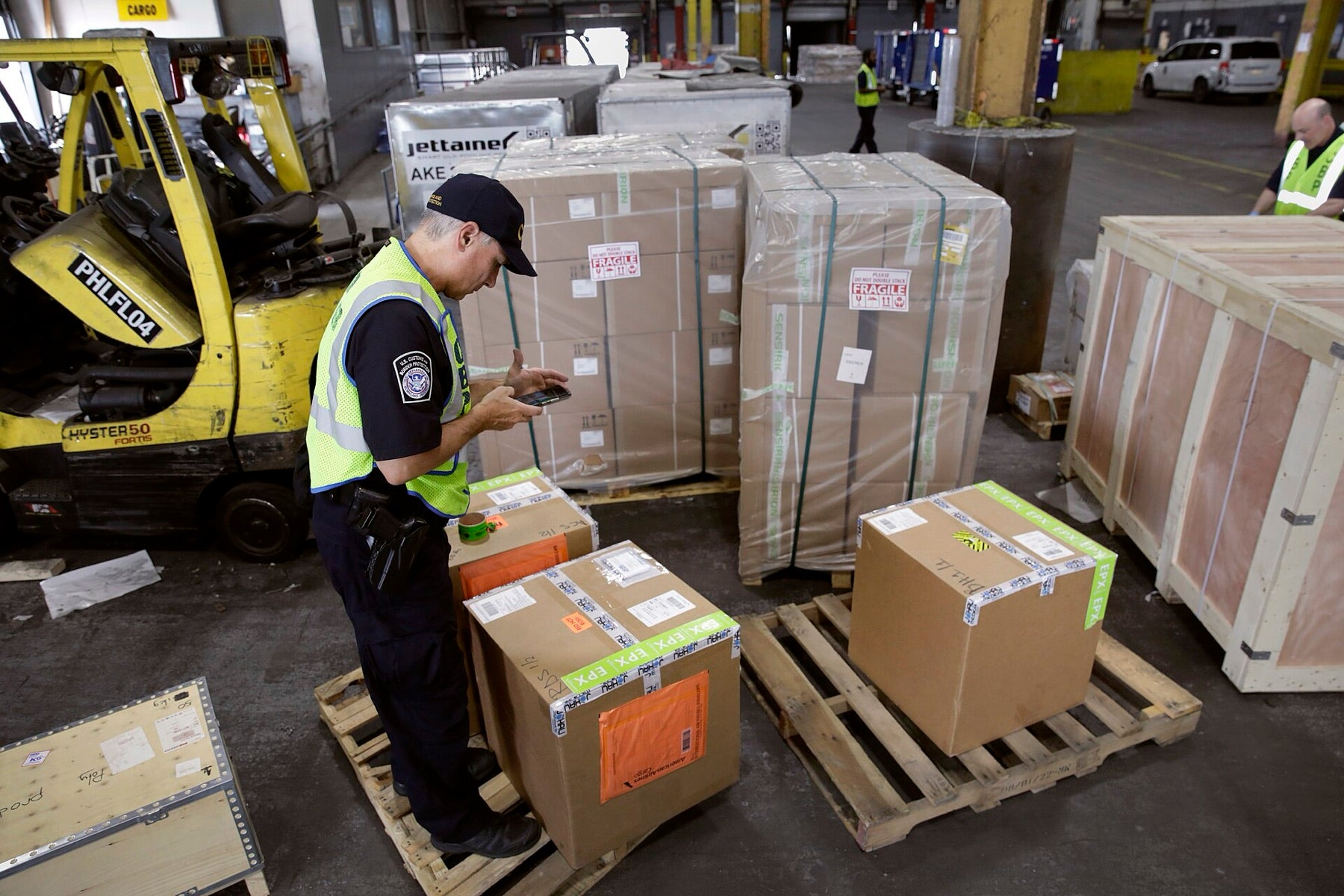
Standard residential FedEx delivery routes a package from the sort facility to a delivery truck, and from the delivery truck to a residential address. The driver leaves the package at the door — no ID required, no temperature control, and no guarantee of when the delivery happens within the delivery window. For a live reptile, these variables introduce risk at every step.
Hold-for-pickup eliminates the delivery truck and porch portion of that chain. The package arrives at the destination Ship Center in the morning after overnight transit. It is held there — in a staffed, climate-controlled facility — until the recipient comes to pick it up. The package does not sit on a truck for hours. It does not sit on a porch. It waits in a controlled environment for a planned, in-person pickup.
Finding the right Ship Center near the recipient
The most important step in setting up hold-for-pickup is identifying the correct location type. Not every FedEx-branded location can hold packages for live animal pickup — and routing to the wrong location type can create a serious problem. The FedEx location finder (available on fedex.com) allows you to filter results by location type. Filter specifically for 'Ship Center' — not FedEx Office, not retail partners, not drop boxes.
Enter the recipient's zip code, look for Ship Centers within a reasonable driving distance, and confirm the address. Note the hours — most Ship Centers are open Monday through Saturday with limited hours, and closed Sunday. Make sure the recipient can pick up during business hours on the day after your planned ship date.
Setting up the label for hold-for-pickup routing
A hold-for-pickup label looks different from a standard residential label: the delivery address is the Ship Center address, not the recipient's home. The recipient's name goes on the label as normal — this is the name the facility staff will verify against when the recipient presents their photo ID for pickup.
In HerpShipper's label workflow, the hub lookup tool identifies nearby Ship Centers and sets up the routing automatically. When using this tool, confirm that the delivery address shown on the label preview is the Ship Center address before purchasing. After purchasing, the label should show the Ship Center as the delivery location — if it shows the recipient's home address, the hold-for-pickup routing was not applied correctly.
The recipient's role: photo ID, same-day pickup, and knowing the plan
Hold-for-pickup only works when the recipient is prepared. They need to know three things before the package ships: the Ship Center address, the expectation that they will pick up the same day the package arrives, and that they need to bring a photo ID matching the exact name on the shipping label.
Name matching is the detail that most often causes problems. If the label says 'John Smith' and the recipient's ID says 'Jonathan Smith,' the pickup may be denied. Confirm with the recipient what name is on their photo ID before entering the name on the label. For high-value animals especially, a name mismatch that prevents pickup can mean the package sits at the facility past business hours with a live animal inside.
Hold-for-pickup in summer: the primary use case
Summer is where hold-for-pickup provides the clearest, most dramatic benefit. A live reptile package routed to hold at a FedEx Ship Center in July avoids two of the most dangerous summer thermal exposures: sitting in a delivery truck that can reach 130°F in direct sun, and sitting on a residential porch in afternoon heat. These are the two most common thermal exposure scenarios that lead to heat-related animal losses in summer.
For summer shipments, routing to hold-for-pickup should be the default consideration rather than an add-on. The incremental complexity of setting up the routing — finding the Ship Center, communicating the plan to the recipient — is minimal compared to the thermal risk reduction it provides. In peak summer months, experienced reptile shippers often use hold-for-pickup on every shipment regardless of destination.
Hold-for-pickup in winter: the overlooked benefit
Cold weather creates the opposite thermal concern — packages on outdoor porches or in cold delivery trucks can be exposed to temperatures below safe thresholds for reptiles. A package on a residential porch in January in Minnesota at 5°F can cool to dangerous levels in less than an hour if the recipient is not home. Hold-for-pickup keeps the package in a heated, staffed facility for the entire post-transit period.
The benefit in winter is somewhat less publicized than the summer benefit but equally real. Missed residential deliveries in cold climates — where the driver leaves the package at the door and the recipient is not home — are a source of winter cold-stress losses that hold-for-pickup eliminates entirely. The package does not leave the facility until the recipient picks it up in person.
Communicating hold-for-pickup to the recipient
Clear communication with the recipient is what separates a smooth hold-for-pickup from a failed one. The recipient needs to receive the following information before the package ships: the Ship Center address and hours, the expectation that they pick up the same day the package arrives, the instruction to bring a photo ID matching the label name, and the tracking number to monitor for the arrival notification.
The best practice is to send all of this in a single message before purchasing the label — ask the recipient to confirm they can pick up at the specific Ship Center on the expected delivery day, during that facility's hours, with their ID. Get a confirmed 'yes' before buying the label. A recipient who is not on board with the pickup logistics before the package ships creates problems after.
When hold-for-pickup is not the right choice
Hold-for-pickup requires the recipient to travel to a FedEx Ship Center — sometimes a meaningful drive depending on their location. For recipients in rural areas where the nearest Ship Center is 30+ miles away, residential delivery may be more practical. For recipients who cannot drive during business hours, residential delivery with the shipper-side precautions (heat/cool pack, midweek ship) may be the only option.
The decision between hold-for-pickup and residential delivery should always be made with the recipient's practical situation in mind. For urban and suburban recipients with a Ship Center nearby, hold-for-pickup is almost always the better choice for live animals. For rural recipients, a combination of the right timing, weather monitoring, and packaging preparation may achieve comparable safety outcomes with residential delivery.
Plan Ahead
Hold-for-Pickup Shipping Timeline
Set up hub routing and confirm recipient pickup before every shipment.
- SUNFind Ship Center near recipient + confirm hours
- SUNNotify recipient — confirm they can pick up Tue
- MON AMBuy label with hub routing (Ship Center address)
- MON AMSend tracking + Ship Center address to recipient
- MON PMDrop at origin Ship Center before cutoff
- TUE AMRecipient picks up with photo ID
- MONHub confirmed + recipient ready
- TUE AMLabel purchased with hub routing
- TUE AMTracking + address sent to recipient
- TUE PMDrop off before cutoff
- WED AMRecipient picks up promptly with ID
- STEP 1Ask recipient: exact name on your photo ID?
- STEP 2Use that exact name on the label
- STEP 3Confirm recipient will go on delivery day
- STEP 4Buy label only after all confirmations
- STEP 5Send hub address + tracking immediately after purchase
What to Avoid
Common Hold-for-Pickup Mistakes
Routing to a Walgreens or retail FedEx partner
Only Ship Centers can properly hold live animal packages. Retail partners are not equipped.
Not telling the recipient about hub pickup before shipping
Surprises at delivery cause delayed pickup. The recipient must know the plan before the package ships.
Label name does not match recipient photo ID
If names do not match, pickup is denied. Confirm the exact ID name before entering it on the label.
Not confirming Ship Center hours before routing
If the facility is closed when the package arrives, pickup is delayed. Confirm hours match recipient availability.
Leaving the package at the hub overnight
Live animals must be picked up the same day they arrive. Do not leave a live animal package sitting at a hub past business hours.
Assuming any FedEx location is a Ship Center
Filter specifically for Ship Centers in the FedEx location finder — not just any FedEx-branded location.
Route Every Live Reptile Shipment to the Right Hub
HerpShipper's hub lookup and label workflow make it easy to find the nearest Ship Center and set up hold-for-pickup routing before every label.