
Reptile Shipping Guide
Shipping Reptiles
in Summer:
Heat Safety Guide
Summer heat is the most dangerous variable in live reptile shipping. Learn how to time shipments, use cool packs, route to hub pickup, and avoid the conditions that kill animals in transit.
Summer Shipping at a Glance
Why Summer Is High-Risk
Summer Temperatures Can Kill a Reptile in Transit — Timing and Routing Are Everything
Summer is the most dangerous season for live reptile shipping. A package on a FedEx delivery truck in July can be exposed to temperatures well above 100°F as the truck sits in direct sunlight. A package left on a residential porch in the afternoon sun can reach fatal temperatures within an hour. And a package that misses its delivery window and stays in a hot facility overnight can arrive dead the next morning.
The core strategy for safe summer shipping is to minimize the time the package spends in hot conditions. This means shipping Monday through Wednesday to ensure next-morning delivery before the hottest part of the day. It means using hub pickup so the package goes to a staffed, climate-controlled FedEx Ship Center instead of a delivery truck and residential porch. And it means using a properly sized cool pack — not too large, not too small — inside an insulated EPS foam liner.
Summer shipping is not a reason to stop shipping — it is a reason to be more deliberate about every decision. Many experienced reptile shippers ship throughout the summer by applying a consistent set of precautions: ship Monday–Wednesday, use hub pickup, use cool packs, drop off early in the morning, and watch the weather at both origin and destination.
The most common summer shipping mistake is treating it like any other time of year. Shippers who use the same routine regardless of season — no hub pickup, no cool pack, shipping on any day of the week — account for a significant portion of summer heat-related losses. The variables are different in summer, and the approach should be different too.
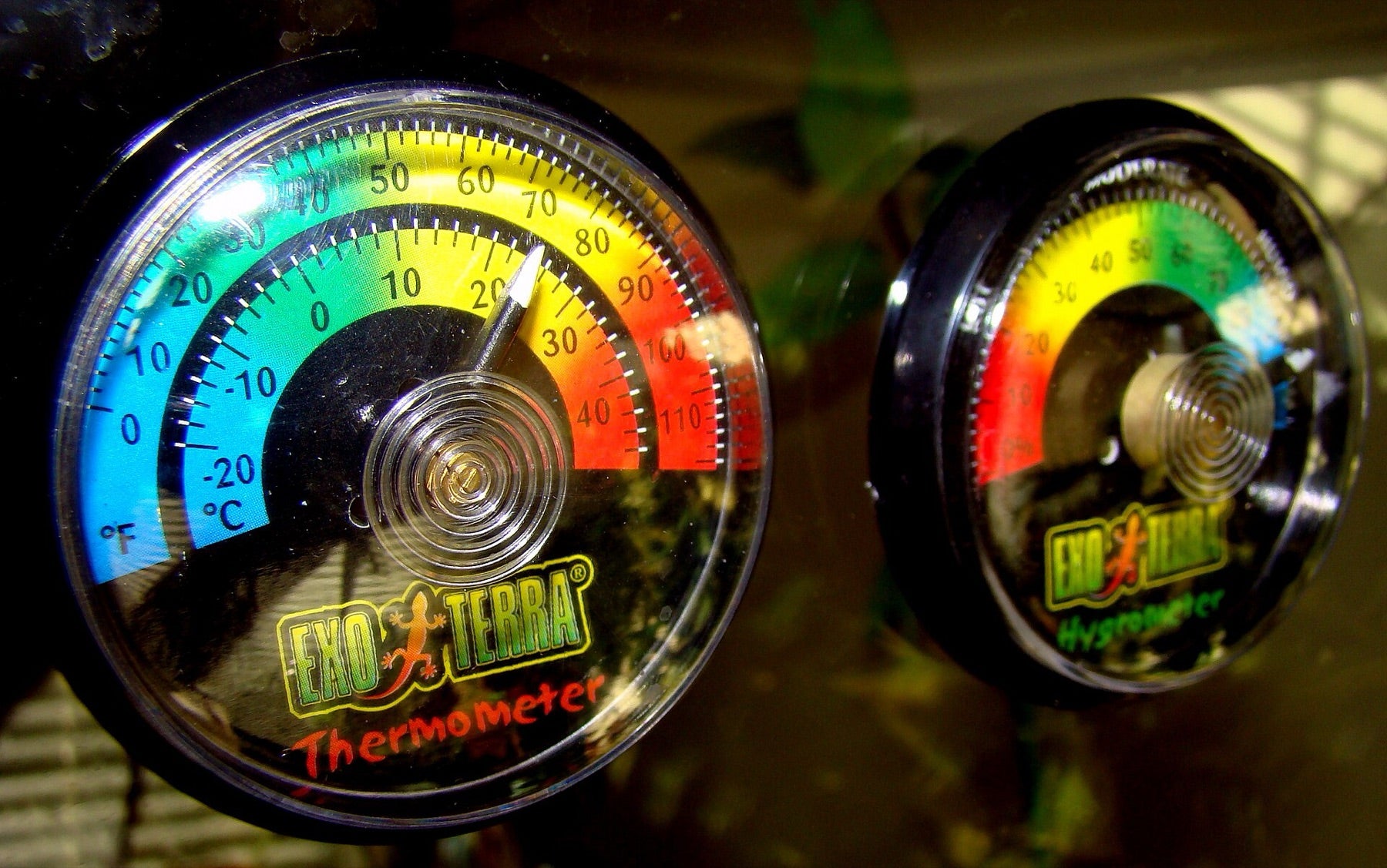
Trucks Reach 130°F+
A FedEx delivery truck in direct summer sun can reach extremely high interior temperatures. Hub pickup keeps the package off the truck.
Morning Drop-Off Is Critical
Dropping off at your origin Ship Center before their overnight cutoff means the package travels through the cooler overnight hours rather than sitting in a hot facility all day.
Cool Packs Are Timed
A 72-hour cool pack does not last 72 hours in a hot environment. In summer, plan for significantly shorter effective duration.
Hub Pickup Reduces Porch Exposure
A package picked up at a Ship Center never sits on a residential porch in afternoon heat — one of the most dangerous summer scenarios.
Summer Safety Options
Summer Shipping Decisions — What Each One Does
Tap each option to understand why it matters in summer heat.
Next-morning delivery arrives before afternoon heat peaks.
Shipping Monday through Wednesday means your package delivers on Tuesday through Thursday. These deliveries arrive in the morning — before the hottest part of the day. A Thursday or Friday ship risks a package delivering on Friday afternoon (hottest delivery window) or sitting over the weekend.
Package goes to a staffed Ship Center instead of a delivery truck and porch.
Hub pickup is the single most impactful summer safety measure. The package arrives at a climate-controlled FedEx Ship Center in the morning and is picked up by the recipient on their schedule — never sitting on a delivery truck in the afternoon sun or on a hot residential porch.
Maintains safe temperatures inside the package during transit.
A properly sized cool pack inside an EPS foam liner keeps the interior of the package within a safe temperature range during transit. The cool pack should be sized for the box and the expected ambient temperature. Do not freeze the cool pack solid — a partially thawed cool pack provides more consistent temperature.
Drop off as early as possible so the package moves through the cooler overnight window.
Dropping your package at the Ship Center first thing in the morning maximizes the time it spends in the cool overnight sort process before delivery. A package dropped off at 8am has a better overnight thermal profile than one dropped off at 3pm.
Dangerous heat at either end can make a shipment unsafe.
Summer weather varies significantly by region. A shipper in a mild coastal climate may not realize their package is delivering into a heat dome. Check the 3-day forecast at both origin and destination before committing to a shipment.
If forecasts show dangerous temperatures at either end, waiting is the right call.
If destination temperatures are forecast above 90°F or origin temperatures make morning drop-off impractical, holding the shipment for a better weather window is the responsible choice. A delayed sale is recoverable — a dead animal is not.
Summer Shipping Checklist
Verify each item before shipping in summer. 0 of 10 ready
Cool Pack Guide
How to choose and prepare cool packs for summer.
- 🧊Size matters
A 16oz cool pack is appropriate for small shipments; 32oz for medium boxes. Too small provides inadequate duration.
- 🌡️Do not freeze solid
A partially thawed cool pack maintains more consistent temperatures than a rock-solid frozen one, which can get too cold initially.
- ⏰Duration is shorter in heat
A 72-hour cool pack rated at 70°F may last 24 hours or less in a hot truck environment. Plan for worst case.
- 📦Wrap if too cold
If the species is cold-sensitive, wrap the cool pack in newspaper to buffer the temperature drop near the animal.
- ✅Test your setup
Run a trial with your exact foam liner, cool pack size, and box in your target ambient temperature before shipping season.
Hub Pickup in Summer
Why hub routing is especially valuable in hot months.
- 🏢Stays in climate-controlled facility
The package waits indoors at a staffed Ship Center — not on a truck or porch.
- ☀️Avoids afternoon delivery
No risk of a 2pm residential delivery in 95°F heat on a black-surface porch.
- 📍Only FedEx Ship Centers qualify
Confirm the hub is a Ship Center — not a retail partner or Walgreens location.
- ⏰Recipient picks up same day
Instruct recipient to pick up as soon as the tracking shows 'arrived at facility.'
- 📱Send hub address with tracking
Recipient needs the Ship Center address and tracking number before the package ships.
The Full Guide
Summer Reptile Shipping: Complete Heat Safety Guide
Why summer is uniquely dangerous for reptile shipments
Summer creates a combination of thermal hazards that no other season matches. Delivery trucks in summer sun can reach interior temperatures of 130°F or higher — well beyond the lethal threshold for any reptile. Residential porches in afternoon sun can reach similar extremes. And a package that misses its delivery window faces the possibility of sitting outdoors or in a hot facility through the afternoon and into the evening.
The specific danger window varies by region. In the desert Southwest, dangerous temperatures arrive in late May and persist through September. In the Southeast, humidity compounds heat stress. In the Midwest and Northeast, July and August are the primary risk months. Understanding when your region and your buyers' regions enter the danger window is the first step in adjusting your summer shipping practices.
Ship Monday through Wednesday — why timing matters so much
The day you ship determines the day your package delivers. Monday ships deliver Tuesday morning. Wednesday ships deliver Thursday morning. Thursday or Friday ships deliver Friday or next Monday — with Friday delivering in the afternoon and Monday delivery meaning the package spent the weekend in a facility or on a truck.
Summer heat peaks in the afternoon. A package that delivers at 9am on a Tuesday has a dramatically different thermal exposure than one that delivers at 2pm on a Friday. Restricting summer shipments to Monday through Wednesday is the single most impactful schedule change an active reptile shipper can make, and it costs nothing.
Hub pickup in summer: the most effective intervention
Hub pickup routes the package to a FedEx Ship Center near the recipient instead of sending it on a residential delivery route. The package arrives at the facility in the morning, is held in a staffed, climate-controlled environment, and the recipient picks it up with a photo ID at their convenience. The package never sits on a residential porch or in a delivery truck in afternoon heat.
The effectiveness of hub pickup in summer comes from eliminating the two highest-risk thermal exposure points: the afternoon delivery truck and the residential porch. A package that is in a climate-controlled Ship Center from 8am until the recipient picks it up at 10am has had a completely controlled post-transit environment. This is fundamentally different from a package left on a black-surface porch in 90°F direct sunlight.
Cool packs: how to choose, prepare, and use them correctly
Cool packs provide the internal temperature management for the package during transit. The right cool pack is sized appropriately for the box volume, prepared correctly (not frozen solid), and positioned to moderate — not freeze — the interior temperature. The most common cool pack mistakes are using one that is too small for the box, freezing it solid (which creates an initial temperature that is too cold for many species), and assuming the pack's rated duration applies in summer heat conditions.
A 16oz cool pack is appropriate for a small reptile box (10x8x6 or similar). A 32oz pack is appropriate for a medium box. The pack should be chilled — not frozen solid. Placed against one wall of the foam liner, with the animal's container on the opposite side if cold-sensitivity is a concern, it moderates the internal temperature without creating a cold spot directly against the animal. Test your setup in your target ambient temperature before shipping season to confirm it performs as expected.
FedEx Hub Lookup
Find the right Ship Center before you buy the label.
Enter the recipient ZIP code to check approved hub options. Hub pickup keeps live reptiles out of the residential delivery truck and gives the recipient a predictable pickup plan.
Checking weather at both origin and destination
Dangerous temperatures can exist at either end of a shipment. A shipper in a mild Pacific Northwest location may not realize their package is delivering into a Southern heat dome at 105°F. The weather check must cover both origin (affects drop-off conditions and initial transit) and destination (affects delivery conditions and the recipient's ability to pick up promptly).
The relevant forecast window is the 48 hours after your planned drop-off. Check the high temperature at the destination for the delivery day. If the forecast shows temperatures above 90°F at the destination with the package delivering residentially in the afternoon, that is a signal to either use hub pickup, delay the shipment, or both. A quick 2-minute weather check before confirming any summer shipment is one of the simplest risk reductions available.
How to identify when summer conditions make shipping unsafe
Not every summer day is too dangerous to ship, and not every species has the same heat tolerance. Ball pythons, corn snakes, and many commonly shipped species handle moderate heat stress reasonably well if the transit thermal profile stays within bounds. Dart frogs, tree frogs, and many tropical amphibians are more sensitive. Understanding your species' heat tolerance is part of the safety assessment.
The threshold most experienced reptile shippers use: if the destination daytime high on the delivery day is forecast above 90°F with residential delivery, or above 95°F even with hub pickup, delay the shipment. If the origin is experiencing extreme heat that prevents proper package preparation (a 100°F garage makes cool pack effectiveness much harder to achieve), delay. When in doubt, a one-week delay costs far less than a dead animal.
Communicating summer shipping decisions to buyers
Buyers who purchase animals in summer need to understand that the shipment may be held for a weather window. Communicating this expectation upfront — before the sale is complete — prevents frustration and misunderstanding. A simple explanation that summer shipments are held for weather windows that ensure safe transit is something most buyers understand and respect when it is communicated clearly.
Buyers also need to understand their role in a summer shipment: they must be available to pick up the package from the hub or be home for residential delivery on the delivery day. A buyer who is not home on delivery day in summer creates a serious animal welfare problem. Confirm the buyer's pickup plan before shipping, not after the package is already in transit.
Building a summer shipping protocol for your operation
Experienced reptile shippers develop a standard summer protocol that removes guesswork from individual shipment decisions. A written checklist, a go/no-go temperature threshold, a default routing decision (hub pickup for all summer shipments, or hub pickup required above X°F), and a standard cool pack setup for each species type creates consistency across many shipments.
The value of a protocol is that it removes the temptation to make exceptions under sales pressure. When a buyer wants an animal shipped on a hot Friday in August, a shipper with a protocol can point to their standard policy rather than making a judgment call in the moment. The protocol says no — and the protocol is based on experience, not the pressure of a single transaction.
Plan Ahead
Summer Shipping Timeline
Every summer shipment needs a weather check, hub routing, and early drop-off.
- SAT/SUNCheck 5-day forecast at origin + destination
- MON AMConfirm weather is safe for shipment
- MON AMPack with cool pack + EPS liner
- MON AMBuy label with hub routing
- MON AMDrop at Ship Center before 10am
- TUE AMRecipient picks up at hub
- MONWeather check + buyer confirmation
- TUE AMPack + cool pack prep
- TUE AMLabel purchase with hub routing
- TUE AMEarly drop-off at Ship Center
- WED AMRecipient picks up promptly
- CHECKForecast shows 90°F+ at destination
- DECIDEHold shipment — do not ship in unsafe conditions
- MONITORCheck forecast daily for a safe window
- NOTIFYUpdate buyer on hold and expected ship date
- SHIPShip when Mon–Wed window opens with safe temps
What to Avoid
Summer Shipping Mistakes That Kill Animals
Shipping Thursday or Friday in summer
Packages ship Friday afternoon or sit over the weekend — the worst thermal outcome in summer.
No hub pickup in hot weather
Residential delivery in summer means a delivery truck and a porch in afternoon heat. Hub pickup eliminates both.
Using a too-small cool pack
A 4oz cool pack in a large box provides inadequate temperature management. Size the cool pack to the box volume.
Freezing the cool pack solid
A rock-solid frozen pack creates temperatures too cold for many species at first contact. Chill — do not freeze.
Not checking destination weather
Shipping from a mild climate into a heat dome without checking the destination forecast is a common cause of summer losses.
Expecting the buyer to handle pickup on their own schedule
A summer package must be picked up the same day it arrives. Confirm this with the buyer before shipping.
Ship Safely All Summer With Hub Pickup and Overnight Rates
HerpShipper makes it easy to route to hub pickup and compare rates before every summer shipment — keeping your animals safe in transit.