
Reptile Shipping Guide
Reptile Shipping
Temperatures:
Safe Ranges Guide
Temperature is the most critical variable in live reptile shipping. Learn the safe transit temperature ranges for common species, how to maintain them with heat and cool packs, and when conditions are too extreme to ship.
Temperature at a Glance
Why Temperature Is Everything
The Interior of Your Package Must Stay Within Safe Limits for the Entire Transit Window
Temperature management is the central challenge of live reptile shipping. From the moment the box is sealed to the moment the recipient opens it, the interior of the package must stay within a temperature range that is safe for the species inside. Too hot, and the animal can experience heat stress, organ failure, and death. Too cold, and it can be cold-stunned, leading to the same outcome if the exposure is prolonged.
The challenge is that the package travels through environments with wildly varying temperatures: the interior of a FedEx sort facility, the hold of an aircraft, the back of a delivery truck in summer sun or winter cold, and a residential porch on a hot afternoon or a frozen morning. Managing interior temperature through all of these is the purpose of the EPS foam liner and the heat or cool pack.
Different species have different temperature tolerances, and understanding the specific range for the animals you ship is essential for making correct packaging and timing decisions. A ball python that is comfortable at 70–80°F in its enclosure has a different transit temperature tolerance than a dart frog that requires stable mid-70s and high humidity. A bearded dragon that handles temperature swings well in its environment may stress differently in a dark, enclosed shipping box.
The safe transit temperature range for most commonly shipped reptile species is roughly 55°F to 85°F interior package temperature. Below 55°F, cold stress begins for most tropical and subtropical species. Above 85°F, heat stress begins. The goal of all packaging and timing decisions is to keep the interior of the package within this window for the entire duration of transit.
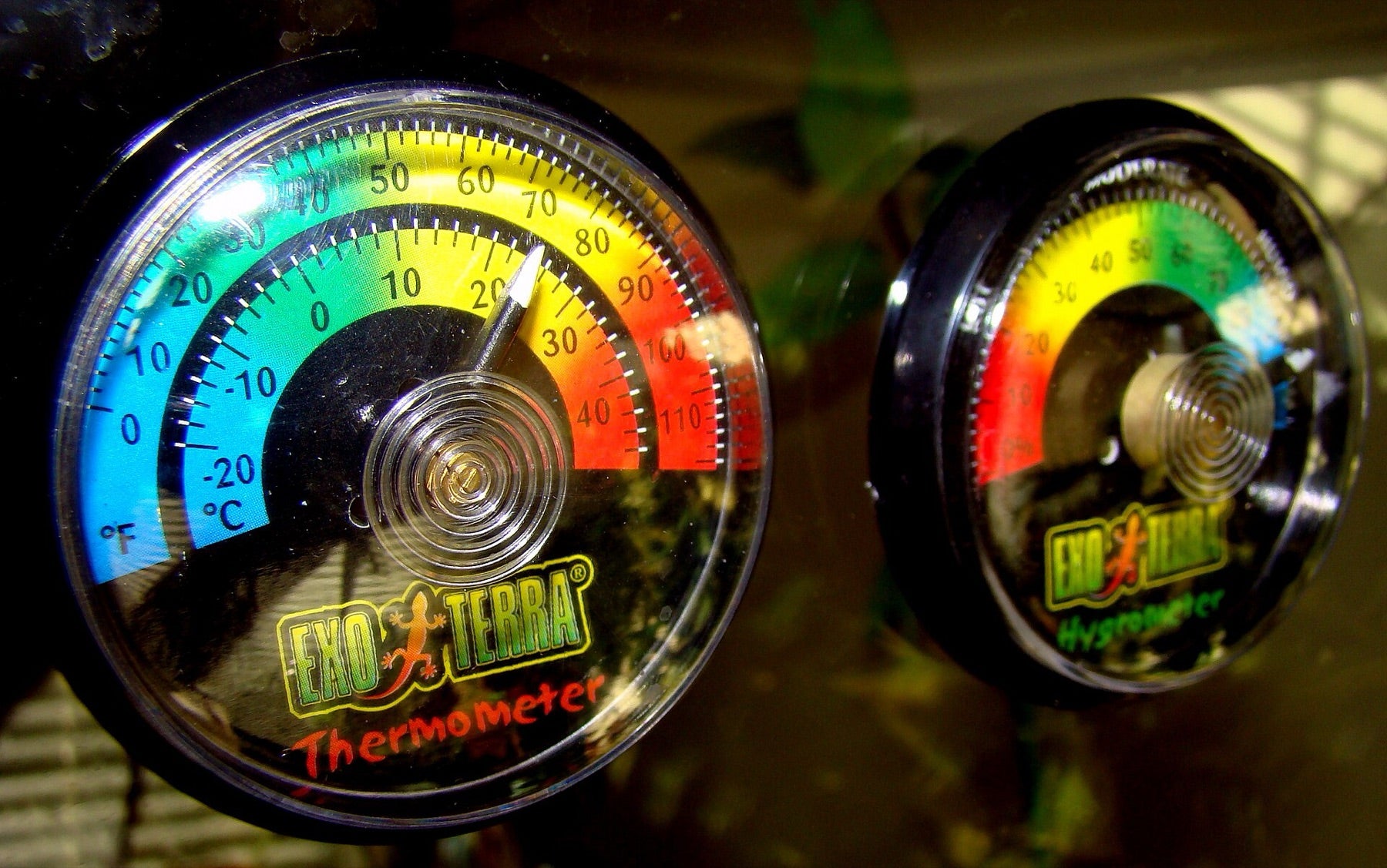
55–85°F Is the General Safe Window
Most tropical and subtropical reptile species tolerate transit temperatures in this range without significant stress.
Heat Packs Activate With Oxygen
A heat pack must be exposed to air before sealing. Once sealed in the box, it produces heat through oxidation until the chemical reaction is exhausted.
Cool Packs Lose Effectiveness Faster in Heat
A cool pack's rated duration assumes moderate ambient temperatures. In a hot delivery truck, effective duration is shorter than the label rating.
EPS Foam Provides the Buffer
The foam liner slows heat transfer, giving your heat or cool pack time to work. Without foam, temperature equalization happens too quickly.
Temperature Scenarios
How Temperature Conditions Affect Your Shipping Decision
Tap each scenario to understand the right response.
Interior package temperature is within the safe range for most species.
If your heat or cool pack setup maintains interior temperatures in this range for the duration of transit, the shipment is within safe parameters for most commonly shipped reptiles. Confirm this with a trial run in similar ambient conditions before relying on it.
Interior temps at risk of dropping below safe threshold — heat pack required.
When ambient conditions at origin, in transit, or at destination could bring interior temps below 55°F, a heat pack inside the EPS liner is required. Choose 40hr for typical winter routes, 72hr for long-distance or extreme cold destinations.
Interior temps at risk of exceeding safe threshold — cool pack required.
When ambient conditions could push interior temps above 85°F — primarily in summer — a properly sized cool pack inside the EPS liner is required. Combine with hub pickup to avoid delivery truck and porch heat exposure.
Very cold destination conditions may exceed heat pack capacity.
If the delivery day high at the destination is forecast below 40°F and residential delivery is planned, the risk of porch or truck exposure dropping interior temps below safe thresholds increases significantly. Use hub pickup or hold the shipment.
Extreme heat may exceed cool pack capacity even with hub pickup.
Destination ambient temperatures above 95°F can challenge even a properly sized cool pack and hub pickup setup. In extreme heat events, holding the shipment for a cooler weather window is the responsible choice.
Temperature Prep Checklist
Verify each item before every shipment. 0 of 9 ready
Species Temperature Reference
General safe transit temperature ranges by species group.
- 🐍Ball pythons
Safe transit range: 70–82°F. Cold stress begins below 60°F. Heat stress above 88°F.
- 🦎Bearded dragons
Safe transit range: 68–82°F. Sensitive to both cold and prolonged heat.
- 🦎Leopard geckos
Safe transit range: 65–80°F. Handle moderate temperature variation reasonably well.
- 🐸Dart frogs
Safe transit range: 68–78°F. Very sensitive — narrow band, high humidity also required.
- 🐍Corn snakes
Safe transit range: 60–82°F. Among the more temperature-tolerant commonly shipped species.
Pack Size Reference
General guidance on heat and cool pack sizing.
- 🔥Small box — 20hr heat pack
Appropriate for small insulated setups on typical winter routes.
- 🔥Medium box — 40hr heat pack
Standard for most reptile shipments in cold weather.
- 🔥Large box or extreme cold — 72hr
Use when route is long or destination forecast is very cold.
- 🧊Small box — 16oz cool pack
Appropriate for small setups in moderate summer heat.
- 🧊Medium or large box — 32oz cool pack
Standard cool pack size for most medium reptile shipping setups in summer.
The Full Guide
Reptile Shipping Temperatures: Safe Ranges, Pack Selection, and Decision Making
Why temperature control is the core challenge of reptile shipping
Reptiles are ectothermic — their body temperature is regulated by the environment rather than internal metabolism. A reptile in a shipping box cannot thermoregulate by moving to a warmer or cooler area. It is entirely dependent on the ambient temperature inside the package. If that temperature drops too low or rises too high, the animal has no mechanism to compensate.
This is fundamentally different from shipping a mammal, which can generate its own body heat. A reptile at 45°F is cold-stunned. A reptile at 95°F is heat-stressed. Both outcomes can be fatal if the exposure is prolonged. The shipper's job is to ensure the interior of the package stays within a safe range from seal to opening — through all the environments the package passes through during transit.
The EPS foam liner: your first line of temperature defense
An EPS (expanded polystyrene) foam liner does not heat or cool anything — it slows heat transfer. When the interior of the package is warmer than the outside (as with a heat pack in winter), the foam slows heat loss from the interior to the cold ambient environment. When the interior is cooler (as with a cool pack in summer), the foam slows heat gain from the hot ambient environment.
The effectiveness of the foam as an insulator is directly related to its wall thickness. A liner with 1.5-inch walls provides meaningful insulation for a standard overnight shipment. A liner with 2-inch walls provides better protection in extreme cold or heat. The foam buys time — time for the heat or cool pack to maintain safe interior temperatures before the package is opened by the recipient.
Heat packs: how they work and how to use them
Live-animal shipping heat packs are air-activated chemical warmers, not pocket hand warmers — typically iron powder that oxidizes when exposed to oxygen, producing heat as a byproduct. The heat output is relatively consistent once activated and continues until the chemical reaction is complete. A 40-hour pack does not produce heat for exactly 40 hours in all conditions — ambient temperature affects the rate of oxidation and therefore both the heat output and the duration.
To use correctly: open the heat pack packaging to expose the pack to air, allow 5–10 minutes to confirm the pack is warming (it should feel warm to the touch), then place it inside the foam liner against one interior wall — not directly against the animal's container. Seal the foam liner and outer box. The pack will continue producing heat throughout transit. Never place an activated heat pack directly against an animal or its containment vessel — surface temperatures can be high enough to cause burns.
Cool packs: how they work and how to use them
Cool packs for reptile shipping are gel-filled pouches that are chilled or partially frozen before use. They absorb heat from the interior of the package as they warm from their chilled state, keeping the interior cooler than the ambient environment. Their effective duration depends on how cold they start, how warm the ambient environment is, and how well the foam liner is insulating.
The key preparation mistake with cool packs is freezing them completely solid. A rock-solid frozen pack starts at 32°F or below, which can be dangerous for cold-sensitive species if the pack is near the animal. A partially frozen or well-chilled (not frozen) pack starts at a temperature that is cold enough to provide cooling without creating a cold-shock risk from direct or near contact. Chill your cool packs in a refrigerator or freeze briefly and allow to partially thaw before use.
Choosing between heat pack and cool pack — or neither
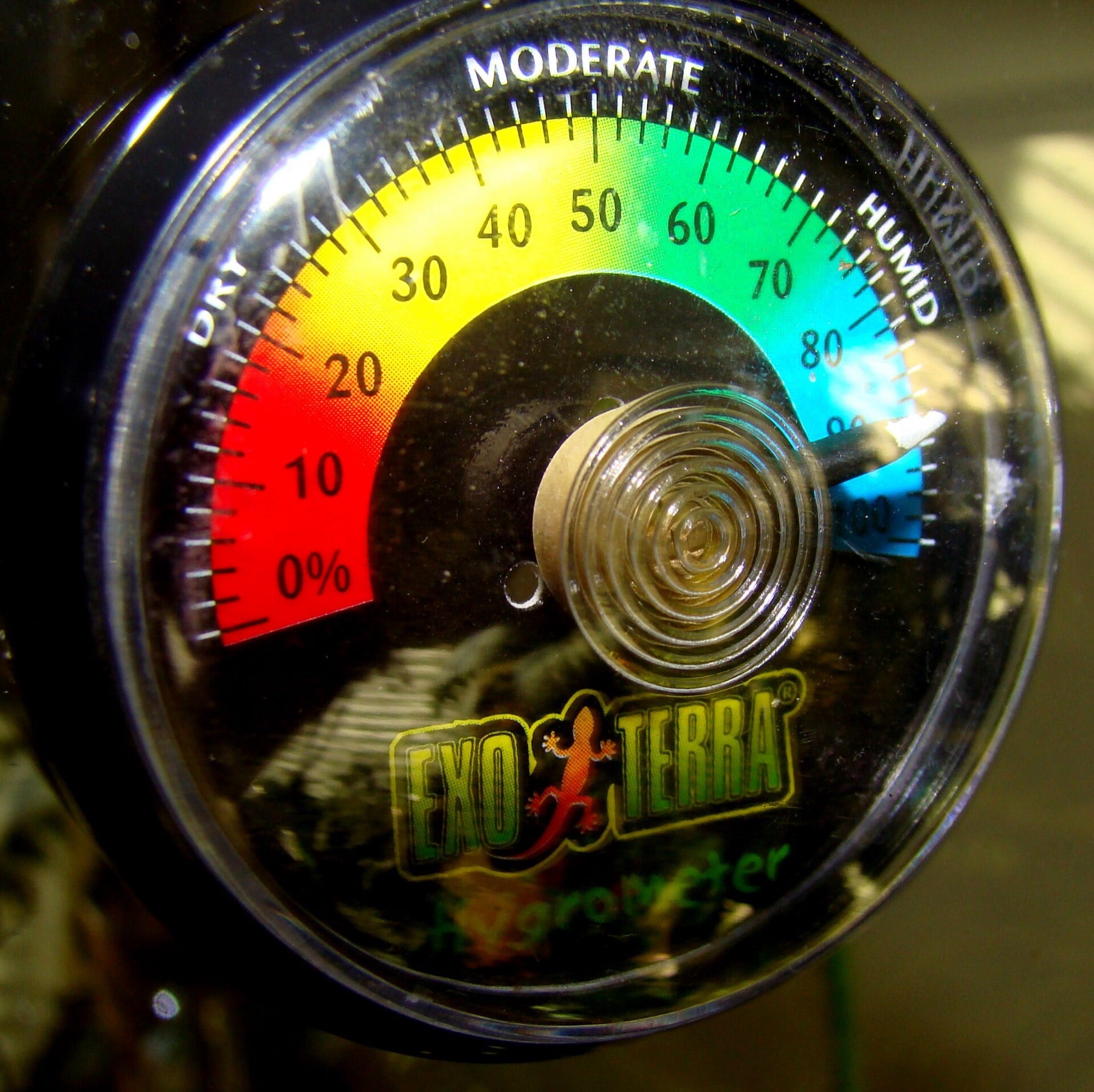
The decision between heat pack, cool pack, or no thermal pack depends on the expected interior temperature range during transit without any pack. In mild spring or fall conditions — ambient temperatures consistently between 60°F and 80°F — a well-insulated foam liner may maintain safe interior temperatures for an overnight shipment without any pack. In summer or winter, a pack is nearly always required.
The go/no-go framework: if the ambient temperature at origin, during transit, or at destination could bring interior temperatures outside the 55–85°F window at any point during the shipment, add the appropriate pack. When in doubt, err toward adding a pack — the cost of a heat or cool pack is trivial compared to the cost of losing an animal.
How transit environments affect interior temperature
A package does not travel through a single environment — it moves through several. At the origin Ship Center, conditions are typically moderate and controlled. In the sort facility and aircraft hold, conditions are controlled. On the delivery truck, conditions vary dramatically — in summer, a truck in direct sun can reach 130°F; in winter, an early-morning truck can be very cold. At the residential delivery point, the package may sit on an exposed porch.
This temperature journey is why hub pickup matters for temperature management. A package that arrives at a destination Ship Center is in a climate-controlled facility from arrival until pickup — it does not experience the delivery truck or porch exposure. For extreme temperature conditions, hub pickup eliminates the highest-risk temperature exposure points in the delivery chain.
Species-specific temperature considerations
Different species shipped by reptile breeders have meaningfully different temperature tolerances. Ball pythons — among the most commonly shipped species — tolerate brief temperature variations reasonably well within their safe range. Dart frogs and other tropical amphibians are more sensitive and require a narrower temperature band. Some species are particularly sensitive to rapid temperature change, even within the safe range.
Understanding the specific tolerance of the species you ship is part of proper shipping practice. If you regularly ship a species you are less familiar with, research its temperature requirements before determining your heat or cool pack strategy. The general 55–85°F window covers most commonly shipped reptiles, but some species require a tighter range within that window.
When temperature conditions make shipping unsafe
Not every day is safe for shipping live reptiles. A combination of factors can make a shipment unsafe even with proper packaging: an extreme weather event at the destination, an unusually hot summer with no cooling weather window, a polar vortex bringing temperatures far below safe thresholds, or a situation where the shipper cannot prepare packages in appropriate conditions at the origin.
Experienced reptile shippers have a simple rule: when in doubt, hold. A sale delayed by a week due to a weather hold is recoverable. A dead animal is not. The buyer who receives a healthy animal a week later will be satisfied. The buyer who receives a dead animal — even if the shipper did their best — is not, and the reputational damage is significant. Holding for weather is professional practice, not a failure.
Plan Ahead
Temperature-Based Shipping Decision Timeline
Check conditions before every shipment and prepare the right thermal management.
- CHECKVerify 3-day forecast at origin + destination
- CONFIRMTemps in 55–85°F range throughout transit
- PACKFoam liner with no pack if truly mild
- VERIFYInterior trial confirms safe range
- SHIPMon–Wed with hub pickup
- CHECKDestination forecast below 60°F ambient
- SELECT40hr heat pack (72hr if very cold or long route)
- ACTIVATEOpen pack — confirm warming — seal immediately
- POSITIONPack against liner wall — not touching animal
- SHIPMon–Wed — early AM drop-off
- CHECKDestination forecast above 80°F ambient
- SELECT16–32oz cool pack based on box size
- CHILLRefrigerate cool pack — not frozen solid
- POSITIONPack against liner wall — not touching animal
- ROUTEHub pickup — Mon–Wed only
What to Avoid
Temperature Management Mistakes in Reptile Shipping
No heat or cool pack in extreme weather
A foam liner alone cannot maintain safe temps in summer heat or winter cold. Add the appropriate pack.
Placing the pack directly against the animal
Direct contact with a heat pack can burn. Direct contact with a frozen cool pack can cold-shock. Always position against the liner wall.
Freezing the cool pack solid
A rock-solid frozen pack starts too cold for many species. Chill thoroughly but do not freeze completely.
Forgetting to activate the heat pack before sealing
An unactivated heat pack provides no warmth, and a hand warmer is the wrong product. Use live-animal heat packs, open the packaging, confirm warming, then seal the box.
Not checking destination weather
A cold snap or heat dome at the destination can make an otherwise safe route dangerous. Always check both ends.
Shipping in extreme conditions instead of holding
A one-week weather hold costs nothing compared to a lost animal. When conditions are outside safe parameters, hold.
Get the Right Supplies and Labels for Every Temperature Condition
HerpShipper provides access to reptile shipping supplies and discounted FedEx overnight labels — plan your thermal management before every shipment.