
Reptile Shipping Guide
How to Ship
Lizards Safely:
Complete Guide
Shipping live lizards requires the right containment, secure taping, and temperature management appropriate to the species. Learn how to pack bearded dragons, monitors, geckos, chameleons, and other lizards for overnight transit.
Lizard Shipping at a Glance
What Makes Lizard Shipping Unique
Lizards Vary More Than Any Other Group — Containment and Temperature Requirements Differ by Species
Lizards represent a wider range of body sizes, behavioral patterns, and environmental requirements than any other commonly shipped reptile group. A juvenile bearded dragon, an adult green iguana, a savannah monitor, and a crested gecko all require different containment strategies, different box sizes, and different temperature management approaches — even though they are all lizards shipped via the same FedEx Priority Overnight service.
The common thread across lizard shipping is the need for secure containment. Lizards are often more active than snakes during transit and will actively probe the edges of their container for escape routes. A ventilated deli cup with a well-secured lid, or a ventilated escape-proof container appropriate to the species size, is the baseline for any lizard shipment. An unsecured lid is one of the most common causes of a lizard getting loose inside the foam liner.
Temperature requirements vary significantly by species. Most tropical lizard species (crested geckos, chameleons, day geckos) prefer transit temperatures in the mid-to-upper 70s°F. Desert-adapted species like bearded dragons tolerate a somewhat wider range but still require protection from extremes. Large tropical species like green iguanas or large monitors are more cold-sensitive than their size might suggest.
Pre-shipment preparation for lizards generally includes a fasting period of 24–48 hours to prevent defecation during transit, a brief check for any existing health issues that would make shipping inadvisable, and confirmation that the lizard is properly hydrated. Many experienced lizard shippers also allow the animal to warm up to its normal activity temperature before packing, which settles the animal and makes handling and packing easier.
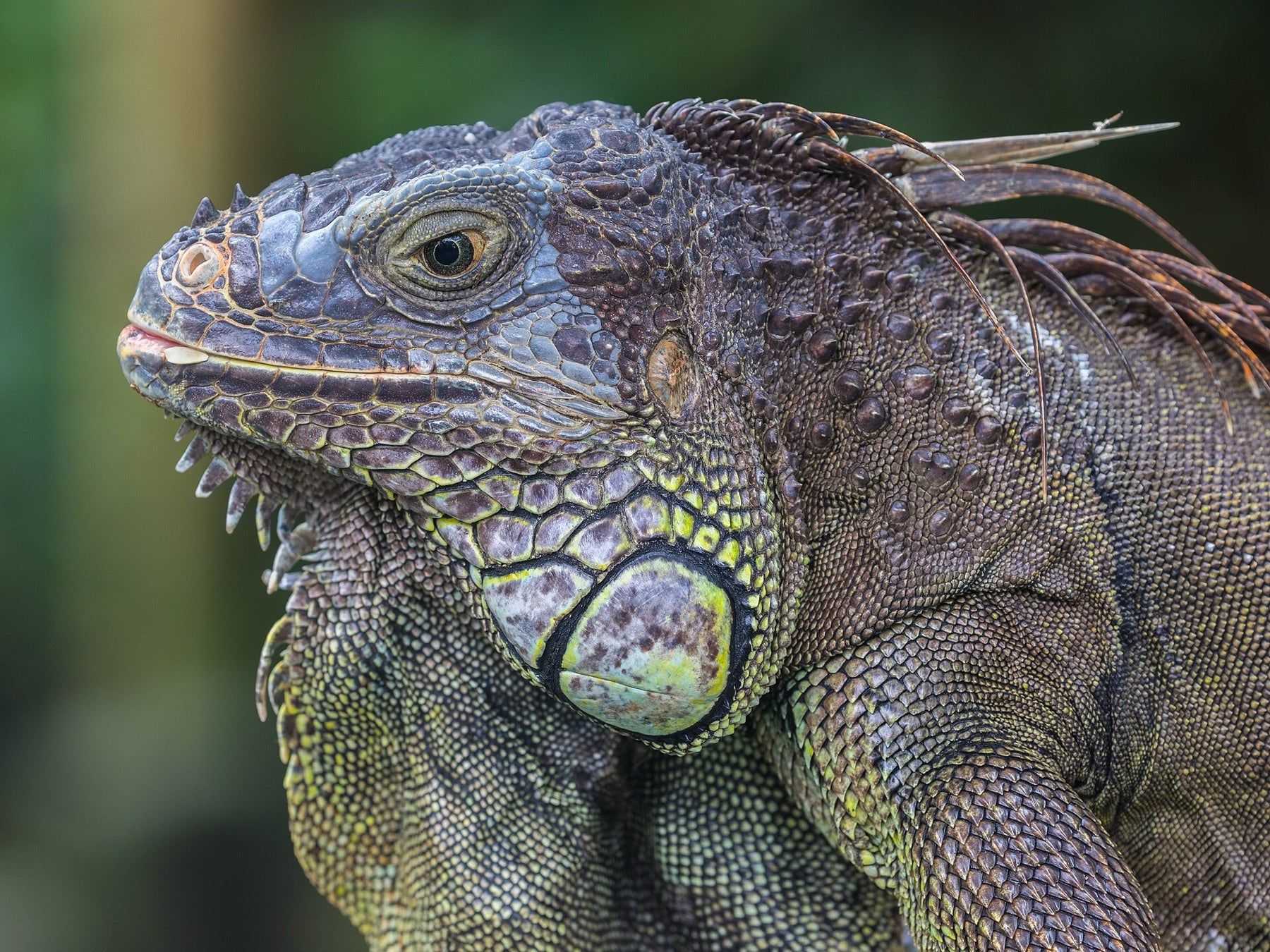
Secure the Lid — Every Time
Lizards actively probe their container. A lid held only by friction can be pushed open during transit. Use clips, rubber bands, or tape.
Temperature Varies by Species
A bearded dragon's safe transit range differs from a chameleon's. Know your specific species' requirements before choosing a heat or cool pack.
Size the Box for the Animal
A large monitor or iguana needs a larger container than a crested gecko. Right-size for the specific animal — not a generic lizard size.
Fast 24–48 Hours Before Shipping
A lizard that has not eaten recently is less likely to defecate during transit, keeping the container cleaner and reducing stress.
Species-Specific Guide
Shipping Requirements for Common Lizard Species
Tap each species to understand specific shipping considerations.
Hardy, medium-sized lizards that ship well with standard care.
Bearded dragons ship individually in ventilated containers appropriately sized for the animal. A paper towel substrate inside the container is standard — no loose substrate that can irritate eyes or get in the mouth. Temperature: 70–82°F transit range. Heat pack in winter; cool pack in summer.
Small, docile geckos that tolerate shipping well in ventilated deli cups.
Crested geckos ship in ventilated deli cups with a paper towel substrate. They are small and relatively calm during transit. Temperature: 68–78°F. Do not expose to high summer heat — cresties stress at temperatures above 80°F. Cool pack required in summer; typically no heat pack needed unless it is very cold.
Large, strong lizards that require larger containers and careful secure handling.
Adult green iguanas require large, secure containers — a ventilated plastic tub or large container with a secured lid. They are strong and can damage a container from the inside if stressed. Ship individually. Temperature: 72–82°F. Very cold-sensitive — heat pack required in any cool weather conditions.
Active lizards that require very secure containers and careful packing.
Monitor lizards are strong and active in transit — they will test their container aggressively. Use a very secure container with the lid fastened with multiple clips or straps. Individual shipment only. Temperature varies by species: most require 72–82°F. Research the specific species before shipping.
Stress-sensitive lizards that require specialized shipping care.
Chameleons are among the most stress-sensitive lizards commonly shipped. They should be shipped in opaque, ventilated containers to minimize visual stress. Temperature: 68–78°F. They are sensitive to both cold and heat. Minimize transit time and ship only in mild weather conditions or with appropriate thermal management.
Very small lizards can escape through large ventilation holes — size holes carefully.
Very small lizards require containers with very small ventilation holes — one-sixteenth inch is often appropriate for animals that can flatten their bodies. Even a small gap is enough for a small lizard to squeeze through. Secure every potential escape point before sealing.
Lizard Shipping Checklist
Verify each item before shipping any lizard species. 0 of 11 ready
Temperature Reference by Species
Safe transit temperature ranges for common lizard species.
- 🦎Bearded dragons
70–82°F. Relatively tolerant but avoid extremes. Heat pack in winter; cool pack in summer.
- 🦎Crested geckos
68–78°F. Sensitive to heat above 80°F. Cool pack required in summer.
- 🦎Green iguanas
72–82°F. Very cold-sensitive. Heat pack required in any cool conditions.
- 🦎Chameleons
68–78°F. Narrow range. Sensitive at both extremes. Ship in mild conditions.
- 🦎Monitor lizards
72–82°F (most species). Research species-specific requirements before shipping.
Containment Options by Size
Container choices matched to lizard size.
- 🐣Very small: 8–16oz deli cup
For anoles, small skinks, small geckos under 4 inches. Very small ventilation holes.
- 🦎Small–medium: 32oz deli cup
For crested geckos, juvenile bearded dragons, small chameleons.
- 🦎Medium–large: ventilated container
For adult bearded dragons, medium monitors, medium iguanas.
- 🦎Large: secure ventilated tub
For adult iguanas, large monitors. Lid must be strapped or clipped securely.
- ✅All sizes: secure the lid
Every container needs a secured lid — not just a friction-fit snap.
The Full Guide
How to Ship Lizards: Species-by-Species Shipping Guide
Why lizard shipping requires species-specific knowledge
Shipping a crested gecko and shipping an adult savannah monitor are very different tasks even though both are lizards going through the same FedEx overnight network. The size difference alone means completely different container requirements, box sizes, and dimensional weights. The temperature requirements are different. The behavioral characteristics during transit — docile crested gecko vs. aggressive monitor — call for different levels of container security.
Before shipping any lizard species for the first time, research the specific species' temperature requirements, stress responses, and any specific sensitivities. A chameleon shipper who approaches the task like a bearded dragon shipper may inadvertently create a high-stress transit environment that harms the animal. Know the species, then prepare accordingly.
Container selection and escape prevention
The most important physical property of a lizard shipping container is security. Unlike many snakes, which tend to stay relatively still inside a cloth bag, lizards actively explore their environment and will probe the edges of a container for escape routes. A lid that is held only by a friction snap can be pushed off by a medium-sized lizard during transit. Deli cup lids should be secured with rubber bands, spring clips, or tape in addition to the snap closure.
Ventilation hole size matters for escape prevention with small lizard species. A lizard that can flatten its body — like many gecko species and some small lizards — can squeeze through a hole that appears too small for it. Size ventilation holes conservatively and consider the specific species' ability to compress its body when evaluating whether a hole size is safe.
Temperature management for different lizard groups
Desert-adapted lizards like bearded dragons, uromastyx, and collared lizards generally handle wider temperature ranges than tropical species. They are adapted to environments with significant daily temperature variation. That said, they are not adapted to the temperature extremes a package can experience in summer heat on a delivery truck or in winter cold on a porch — thermal management is still required.
Tropical lizards — chameleons, crested geckos, day geckos, green iguanas — have narrower temperature tolerances and stress more readily at temperature extremes. These species should be shipped with particular attention to weather conditions and often benefit from hub pickup routing throughout the year, not just in summer and winter. When in doubt about a species' temperature tolerance, err toward more conservative shipping conditions.
Bearded dragon shipping in detail
Bearded dragons are among the most commonly shipped lizards, and their shipping requirements are well-established in the hobby. Individual shipment in a ventilated container with paper towel substrate is standard. The container should be sized to allow the animal to turn around but not so large that it slides around during transit. A medium-to-large deli cup or ventilated plastic container works for juveniles; a larger ventilated container for adults.
Temperature: 70–82°F is the safe transit range for most bearded dragons. In winter, a 40-hour heat pack inside the EPS liner is typically required. In summer, hub pickup combined with a cool pack provides adequate protection. Bearded dragons can be somewhat more tolerant of temperature variation than some lizard species, but should not be exposed to temperatures outside the safe range.
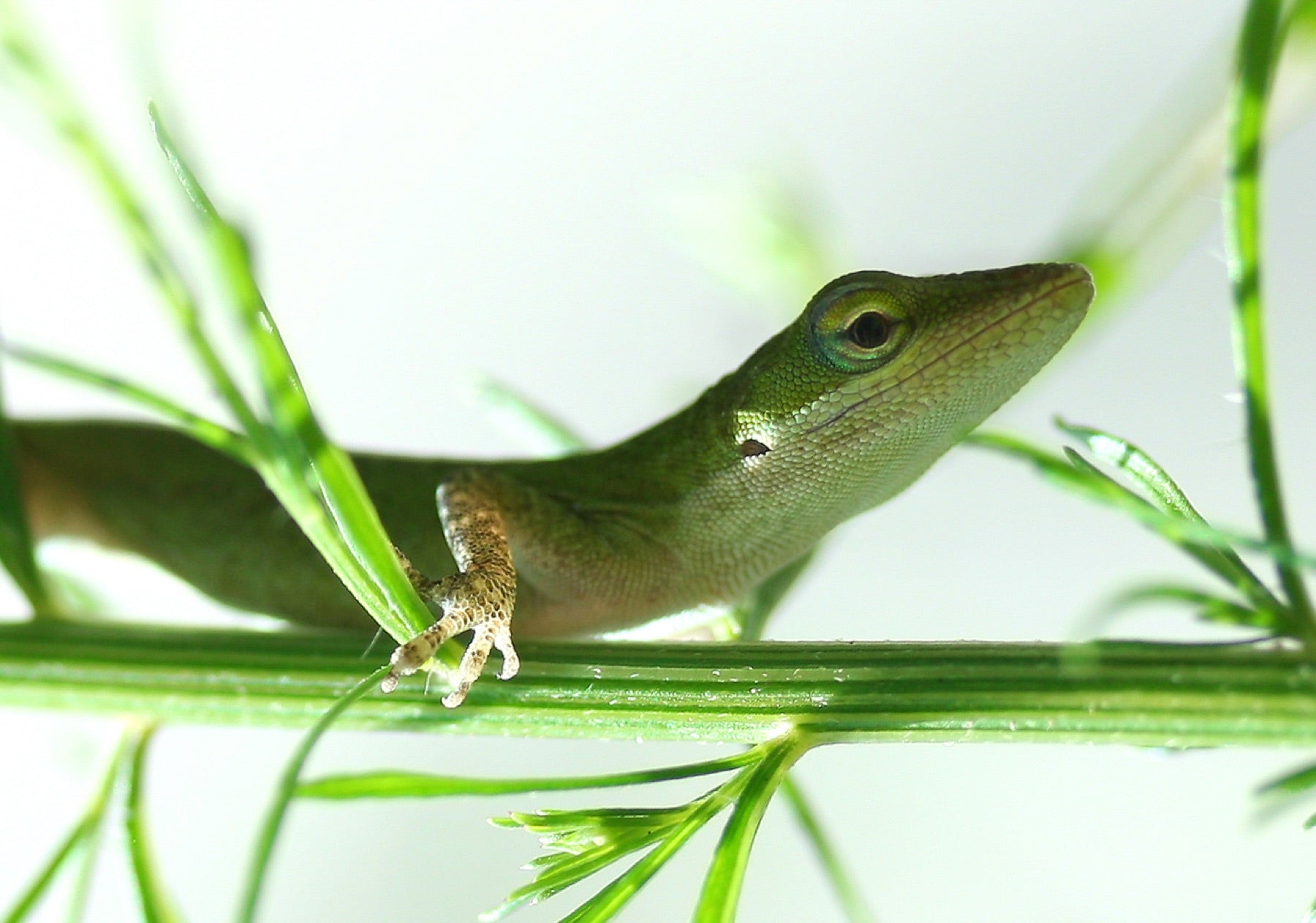
Chameleon shipping: the most demanding lizard shipment
Chameleons are among the most stress-sensitive commonly shipped lizards. They respond to visual stimuli during transit, gripping surfaces aggressively when disturbed, and can injure themselves on container walls if they panic. Shipping chameleons in opaque containers that block visual stimulation from outside reduces transit stress significantly compared to clear containers.
Temperature management for chameleons is also critical. Most commonly kept chameleon species (veiled, panther, Jackson's) prefer transit temperatures in the 68–78°F range — cooler than many other lizard species. Panther chameleons from Madagascar, Jackson's from Kenya, and veiled chameleons from Yemen all have slightly different ideal temperatures. Research the specific species before determining thermal pack strategy.
Monitor lizard shipping: containment is the priority
Monitor lizards are strong, active, and can be defensive during handling and transit. The container must be very secure — monitors can push or claw through inadequately secured lids and will attempt to escape if confined. A container with multiple points of secure closure (multiple spring clips around the perimeter, or a container specifically designed for secure reptile transport) is appropriate for medium and large monitors.
Smaller monitor species (Acanthurus group, ridge-tailed monitors, and similar dwarf monitors) are more manageable in transit than large species and can be shipped in appropriately sized, well-secured deli containers. Larger species like nile monitors or black-throated monitors require significantly more robust containment and an appropriately large box setup. The dimensional weight for a large monitor shipment can be significant — calculate before purchasing the label.
Green iguana and large lizard shipping
Adult green iguanas are one of the more physically demanding lizards to ship due to their size, strength, and tail. A whipping tail from a stressed large iguana can damage a container from the inside. Large iguanas should ship in a rigid, ventilated tub with a securely latched lid — not in a soft container or deli cup. The tub should be large enough for the animal to sit naturally without the tail being forced into an unnatural position.
Large iguanas are also very cold-sensitive — more so than their tropical origin might suggest for a large animal. Heat packs in any cool-weather shipping are required. In winter, use a 72-hour heat pack for large iguana shipments to ensure adequate duration even in cold transit conditions. The large body mass of an adult iguana also means a larger outer box with potentially significant dimensional weight — calculate the rate before committing.
What to tell the buyer about receiving a shipped lizard
Buyers receiving shipped lizards need to understand that the animal may be stressed from transit and should be handled minimally for the first 24–48 hours after arrival. The lizard should be placed in a properly set up enclosure at the correct temperature and allowed to acclimate. Offering food too soon after transit is generally not productive — most lizards will not eat for several days after the stress of shipping.
Buyers should also inspect the animal immediately upon opening for any signs of shipping stress — gaping, lethargy, loss of grip in climbing species, or abnormal coloration in species that are color-reactive to stress. Any concerns about condition should be documented with photographs immediately. Live arrival guarantees typically require notification within a specific time window — usually within a few hours of delivery — so prompt inspection is important.
Plan Ahead
Lizard Shipping Timeline
Species-appropriate prep and midweek shipping are essential for every lizard shipment.
- SUNFast lizard + check forecast at both ends
- MON AMConfirm conditions are safe for species
- MON AMPack in species-appropriate container + secure lid
- MON AMBuy label with hub routing
- MON AMDrop at Ship Center early — before 10am
- TUE AMRecipient picks up with photo ID
- MONWeather check + fast + container prep
- TUE AMPack + confirm lid secure
- TUE AMLabel with hub routing purchased
- TUE AMEarly drop-off at Ship Center
- WED AMRecipient picks up promptly
- BEFOREConfirm container is large enough + secure
- BEFORECalculate dim weight for large box setup
- BEFOREBuy label after reviewing rate
- PACK72hr heat pack for cold — 32oz cool pack for heat
- SHIPHub pickup — never residential for large lizards
What to Avoid
Common Lizard Shipping Mistakes
Unsecured container lid
Lizards actively probe for escape. Friction-fit lids alone are insufficient — always add clips, rubber bands, or tape.
Using a container that is too large
A lizard sliding around in an oversized container sustains more impact stress during transit. Right-size for the animal.
Not researching the species' temperature requirements
A chameleon's temperature needs are different from a bearded dragon's. Know the specific requirements before choosing thermal management.
Shipping ill or injured animals
A compromised animal has lower resilience to shipping stress. Only ship healthy animals in good condition.
Oversized ventilation holes for small species
Small lizards can escape through holes that seem too small. Size ventilation holes conservatively for the species.
No heat pack for tropical lizards in cool weather
Green iguanas and chameleons are cold-sensitive. Heat packs are required in any weather that could bring interior temps below 70°F.
Get Discounted Overnight Labels for Every Lizard Shipment
HerpShipper provides access to FedEx overnight rates below retail pricing — compare before every label and ship your lizards with confidence.